
History
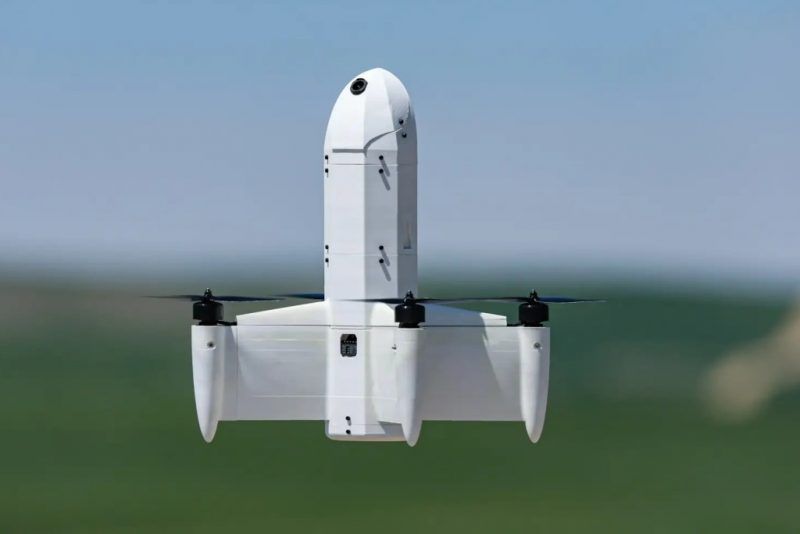
STM first unveiled the TUNGA-X interceptor UAV at the SAHA 2026 defence exhibition in Istanbul in May 2026. General Manager Özgür Güleryüz described the system as a cost-effective alternative to conventional air-defence missiles for countering low-cost kamikaze drones and loitering munitions that pose a growing threat to critical infrastructure. STM stated that TUNGA-X was specifically developed to protect critical infrastructure and military units against low-cost, difficult-to-detect unmanned aerial threats.
On 25 October 2026, STM announced that TUNGA-X had successfully destroyed a representative hostile UAV during the TURNAs-2026 exercise, conducted by the Turkish Naval Forces Command in the Gulf of Antalya and the Eastern Mediterranean. The interceptor tracked the target using radar and image-guidance support before neutralising it in the air through an integrated sensor-to-effector kill chain. TUNGA-X has not been announced as a NATO-selected system, though STM noted its capabilities align with the layered counter-UAS architecture the Alliance is developing.
Specifications
TUNGA-X is a multi-rotor interceptor with vertical take-off and landing capability, deployable without a dedicated launcher from land, air, and naval platforms. It supports both manual and autonomous flight modes and includes a return-to-home option for mission cancellation. The modular architecture allows integration onto various carrier platforms for deployment in urban, rural, and mobile defence environments.
Key parameters: maximum speed approximately 300 km/h; operational range up to 25 km; endurance 15 minutes; maximum operating altitude 5,000 m AGL. The 750 g warhead supports proximity, impact-detection, or manually triggered detonation. Engagement guidance is available via GNSS or optical means. Day-and-night target identification is provided by EO/IR sensors, and proximity sensing uses LiDAR and radar. The system operates in conjunction with UAV detection radars; once a hostile target is detected at a range of up to 10 km, threat data is relayed to TUNGA-X, which deploys to the predicted approach corridor and engages the target in the air using image-processing-based autonomous tracking.
 Argentina
 Armenia
 Australia
 Austria
 Austria-Hungary
 Belgium
 Brazil
 United Kingdom
 United States
 Brunei
 Bulgaria
 Canada
 Chile
 China
 Colonial America
 Colombia
 Confederate States
 Croatia
 Czech
 Denmark
 Egypt
 Finland
 France
 Georgia
 Germany
 German Imperial
 Greece
 Holland
 Hungary
 India
 Indonesia
 Iran
 Iraq
 Ireland
 Israel
 Italy
 Japan
 Japan (1940)
 Jordan
 Kingdom of Italy
 Malaysia
 Mexico
 Myanmar
 Nazi Germany
 Netherlands
 New Zealand
 North Korea
 Norway
 Pakistan
 Peru
 Philippines
 Poland
 Portugal
 Prussia
 Romania

 Russia
 Saudi Arabia
 Serbia
 Singapore
 Slovakia
 Slovenia
 South Africa
 South Korea
 Soviet Union
 Spain
 Sweden
 Switzerland
 Syria
 Taiwan
 Thailand
 UAE
 Ukraine
 Vietnam
 Yugoslavia