
History
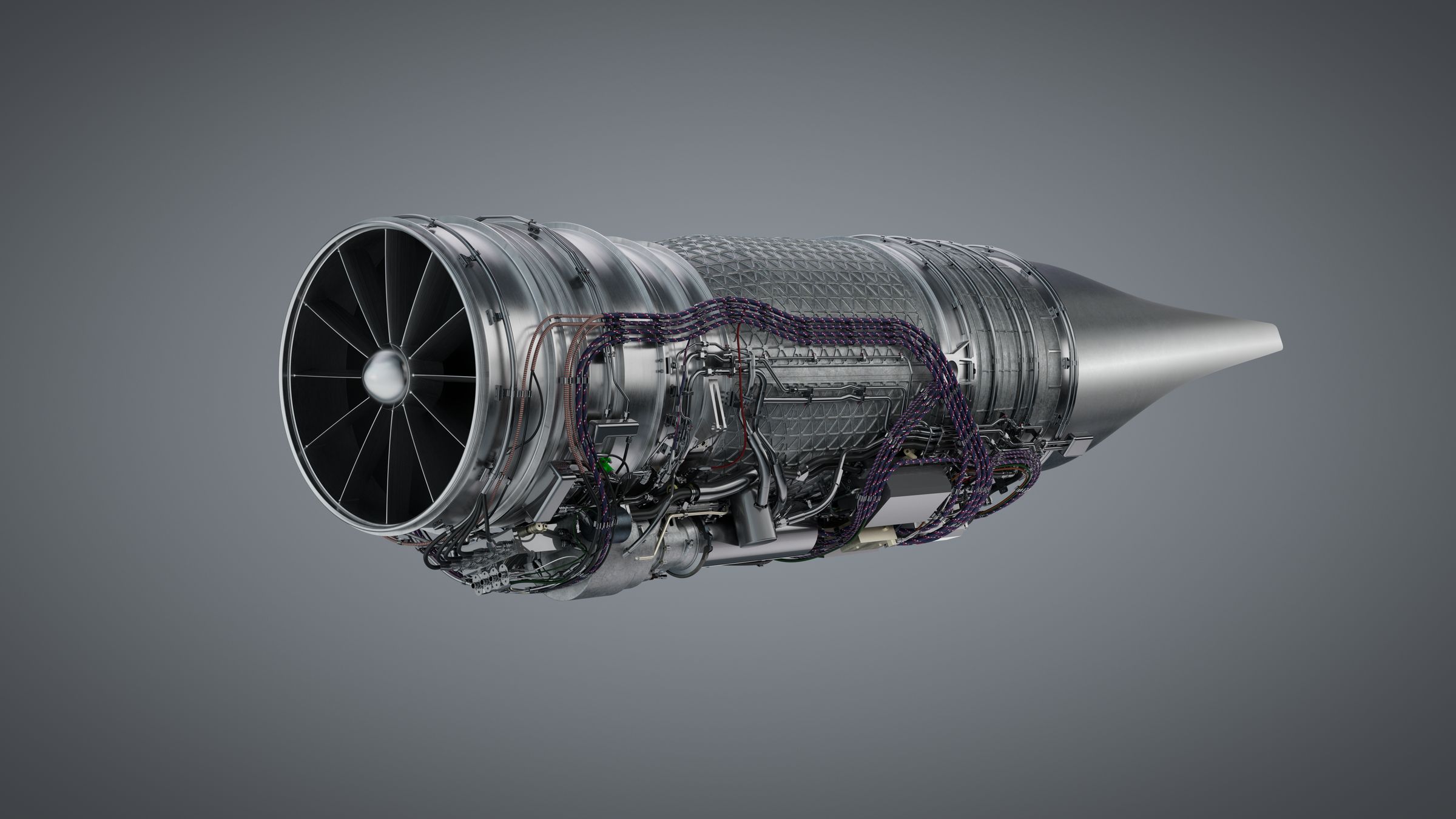
The GE Aerospace XA102 is an adaptive-cycle military aircraft engine being developed under the U.S. Air Force Next Generation Adaptive Propulsion program. The program is intended to provide propulsion for future sixth-generation combat aircraft, including the developmental Boeing F-47.
The XA102 builds on technology and experience from GE Aerospace's earlier XA100 adaptive-cycle engine program. GE says the new engine applies lessons in adaptive propulsion, thermal management, fuel efficiency, digital engineering, manufacturing, and testing.
As of September 2026, the XA102 remained in development. GE Aerospace was procuring hardware, testing subcomponents, and preparing to assemble the first XA102 test asset rather than fielding an operational engine.
Development background
Adaptive-cycle propulsion work preceded the XA102 through several U.S. military technology programs. The earlier XA100 was developed by GE under the Adaptive Engine Transition Program. Its adaptive-cycle concept was designed to change internal airflow during operation, balancing high-performance operation with more fuel-efficient flight and additional thermal-management capacity.
The XA102 was subsequently developed for the U.S. Air Force's Next Generation Adaptive Propulsion program. The separate program is aimed at propulsion requirements for a new generation of combat aircraft rather than simply adapting the XA100 for an existing fighter.
A published XA102 history reports that a critical design review was completed in December 2023. GE Aerospace later announced completion of its Detailed Design Review in February 2025. The company said this review validated the comprehensive digital engine model and allowed the program to move into the procurement and build phase.
Following the 2025 review, GE Aerospace received the next contract phase to procure, assemble, and test a full-scale XA102 demonstrator. The company described this milestone in its Detailed Design Review announcement.
By September 2026, GE Aerospace said it was working with suppliers to procure hardware and test subcomponents in preparation for assembly of the first XA102 test asset. The company described this stage in its XA102 assembly update. Assembly of the first complete test engine had not yet been reported as completed in the supplied material.
Design
The XA102 uses an adaptive-cycle architecture intended to change engine airflow according to operating requirements. Published descriptions characterize it as a three-stream adaptive-cycle engine. Air can be directed toward an additional bypass stream to support fuel efficiency and cooling, while other operating conditions can favor airflow through the core and fan streams for higher performance.
Thermal management is an important part of the XA102 development effort. GE Aerospace states that experience from the XA100 program is being applied to improve thermal-management capability and fuel efficiency for future combat-aircraft requirements.
Digital engineering
The XA102 is being developed with model-based engineering methods. GE Aerospace describes it as the first engine in the company's history to be developed using model-based systems engineering and the first engine program to use model-based definition from design through assembly instead of relying on traditional two-dimensional drawings.
Model-based definition provides a machine-readable product definition that can be used by manufacturing and inspection processes. GE is working with suppliers so that the same digital data can support component production, inspection, and later assembly. The company says demonstrations of these model-based engineering practices were completed during the first phase of the program.
Adaptive-cycle architecture
The adaptive concept is intended to provide different operating characteristics within one engine. The additional airflow path can support more efficient operation and provide cooling capacity, while the engine can redirect airflow when greater propulsion performance is required. Publicly supplied material does not provide a confirmed thrust rating for the XA102.
Program status
The XA102 is a development engine and is not described in the supplied sources as an operational powerplant. In 2025, GE Aerospace moved from detailed design into the procurement, assembly, and test phase for a full-scale demonstrator.
In September 2026, supplier hardware procurement and subcomponent testing were under way as GE prepared for assembly of the first test asset. This makes 2026 the earliest supplied year associated with the planned physical assembly of the XA102 test engine.
The Next Generation Adaptive Propulsion program is intended to support future sixth-generation U.S. combat aircraft. The developmental Boeing F-47 is identified as an intended application, while other future aircraft may also use propulsion technology produced by the program.
Specifications (XA102)
General characteristics
- Type: Adaptive-cycle military aircraft engine.
- Development program: U.S. Air Force Next Generation Adaptive Propulsion program.
- Airflow architecture: Three-stream adaptive-cycle configuration in published descriptions.
- Primary intended application: Future sixth-generation combat aircraft, including the developmental Boeing F-47.
- Design process: Model-based systems engineering and model-based definition used through design, manufacturing, inspection, and planned assembly.
Performance
- Thrust: No confirmed thrust rating is disclosed in the supplied material.
- Operating concept: Adjustable airflow distribution intended to balance propulsion performance, fuel efficiency, and thermal-management requirements.
Related equipment
- GE XA100: Earlier GE adaptive-cycle engine developed under the Adaptive Engine Transition Program and used as a technical foundation for XA102 development.
- Pratt & Whitney XA103: Competing adaptive propulsion engine being developed under the same Next Generation Adaptive Propulsion program.
 Argentina
 Armenia
 Australia
 Austria
 Austria-Hungary
 Belgium
 Brazil
 United Kingdom
 Brunei
 Bulgaria
 Canada
 Chile
Chile China
China Colonial America
 Colombia
 Confederate States
 Croatia
 Czech
Czech Denmark
 Egypt
Egypt Finland
 France
 Georgia
 Germany
 German Imperial
 Greece
 Holland
 Hungary
 India
India Indonesia
 Iran
Iran Iraq
Iraq Ireland
 Israel
 Italy
Italy Japan
Japan Japan (1940)
 Jordan
 Kingdom of Italy
 Malaysia
 Mexico
 Myanmar
 Nazi Germany
 Netherlands
 New Zealand
 North Korea
 Norway
 Pakistan
 Peru
Peru Philippines
 Poland
 Portugal
 Prussia
 Romania
 Russia
 Saudi Arabia
 Serbia
 Singapore
 Slovakia
 Slovenia
 South Africa
 South Korea
 Soviet Union
 Spain
Spain Sweden
 Switzerland
 Syria
Syria Taiwan
 Thailand
 Turkey
 UAE
UAE Ukraine
 Vietnam
 Yugoslavia