
History
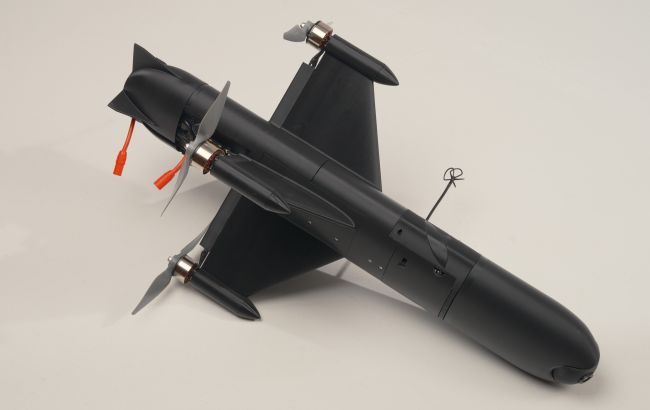
The NOCTIS ZIRKA is a Ukrainian interceptor unmanned aerial vehicle developed to destroy high-speed aerial threats, including Shahed and Geran-series one-way attack drones. NOCTIS is responsible for the interception technology, software, and automation, while Vyriy Industries supports the project as an investor and scaling partner.
ZIRKA is intended to reduce dependence on the manual flying skills of an FPV operator. The current system combines automatic target detection, tracking, and terminal guidance after the operator confirms the target. Published specifications give a maximum speed of more than 340 km/h, an operating altitude of up to 6 km, a radius of up to 30 km, and an endurance of up to 20 minutes.
The system's requirements were developed using practical combat experience, including input from the Darknode anti-Shahed unit. NOCTIS stated that ZIRKA drones had been actively used since May 2026. The system was publicly presented by NOCTIS and Vyriy Industries on 30 June 2026. Contemporary reports from Mezha, Babel, and UNITED24 Media described the same basic performance figures and the division of responsibilities between the two companies.
NOCTIS reported that, in 9 out of 10 cases where an operator obtained visual contact and confirmed the target, ZIRKA destroyed the target in automatic mode. This figure describes engagements after visual acquisition and confirmation rather than the overall success rate of every launch.
By August 2026, Vyriy Industries director Oleksii Babenko stated that ZIRKA could engage jet-powered Shahed or Geran-type drones. He also reported an engagement in which the operator was about 3,000 km away and controlled the system through Starlink satellite communications. This operator distance is separate from the interceptor's stated 30 km operating radius from its launch point.
ZIRKA also appeared in broader reporting about Ukraine's rapidly developing interceptor-drone sector. The War Zone documented the platform during Ukrainian interceptor-drone operations and placed it within a wider effort to develop inexpensive defenses against one-way attack drones.
NOCTIS and Vyriy Industries have announced a planned ZIRKA 2.0 development. The proposed version is intended to automate navigation into the target detection area, improve target recognition and guidance, add new communications and positioning solutions, and introduce automatic warhead detonation near the target. Enhanced thermal imaging equipment is planned to allow machine vision to detect targets at distances of up to 2 km.
Design
ZIRKA uses an onboard computer to support automated interception. According to RBC-Ukraine, the computer runs artificial-intelligence algorithms trained with data from real interceptions. It analyzes the video feed to detect a target. After the operator confirms target lock, the system automatically tracks the target and guides the interceptor toward it.
The onboard control system reportedly corrects the flight path dozens of times per second. This arrangement is intended to reduce errors caused by operator fatigue and to make successful terminal interception less dependent on advanced manual FPV flying skills.
The present ZIRKA should be distinguished from the more autonomous system proposed for ZIRKA 2.0. The current interceptor still requires operator involvement for target confirmation, while the planned development is intended to automate more stages between deployment, target acquisition, guidance, and warhead detonation.
Remote communications can separate the interceptor pilot from the launch area. Vyriy Industries has reported the use of Starlink for a long-distance control connection. The available sources do not establish that this changes the physical operating radius of the interceptor itself.
Operational history
NOCTIS reported active use of ZIRKA beginning in May 2026 during the Russia-Ukraine war. The interceptor has been used against Shahed-family attack drones, and the developers have reported successful automatic terminal engagements after an operator identifies and confirms a target.
The system has also been reported to have destroyed a jet-powered Geran-4 attack drone. This type of target places greater demands on interceptor speed than the propeller-driven Shahed variants that formed much of the earlier threat.
The developers have emphasized automation as an important part of the system's operational concept. Instead of requiring the pilot to manually fly the interceptor through the entire terminal engagement, ZIRKA is designed to take over tracking and guidance after target confirmation.
Variants
- ZIRKA: Current interceptor UAV with automatic target detection, tracking, and terminal guidance after operator confirmation. It has been reported in active use since May 2026.
- ZIRKA 2.0: Planned development with automated navigation into the target detection zone, enhanced thermal imaging with a stated machine-vision detection distance of up to 2 km, improved detection and guidance algorithms, additional communications and positioning solutions, and automatic proximity detonation of the warhead.
Specifications (ZIRKA)
General characteristics
- Type: Interceptor unmanned aerial vehicle
- Primary role: Interception of high-speed aerial threats, including Shahed and Geran-type attack drones
- Operating radius: Up to 30 km from the launch point
- Flight endurance: Up to 20 minutes
- Reported unit cost: Up to US$2,000
Performance
- Maximum speed: More than 340 km/h
- Operating altitude: Up to 6 km
Guidance and control
- Targeting: Automatic detection, tracking, and terminal guidance after operator target confirmation
- Onboard processing: Mini-computer using artificial-intelligence algorithms trained with data from real interceptions
- Flight control: Automatic trajectory corrections reported to occur dozens of times per second during target tracking
- Remote communications: Starlink satellite communications have been reported for long-distance operator control
 Argentina
 Armenia
 Australia
 Austria
 Austria-Hungary
 Belgium
 Brazil
 United Kingdom
 United States
 Brunei
 Bulgaria
 Canada
 Chile
Chile China
China Colonial America
 Colombia
 Confederate States
 Croatia
 Czech
Czech Denmark
 Egypt
Egypt Finland
 France
 Georgia
 Germany
 German Imperial
 Greece
 Holland
 Hungary
 India
India Indonesia
 Iran
Iran Iraq
Iraq Ireland
 Israel
 Italy
Italy Japan
Japan Japan (1940)
 Jordan
 Kingdom of Italy
 Malaysia
 Mexico
 Myanmar
 Nazi Germany
 Netherlands
 New Zealand
 North Korea
 Norway
 Pakistan
 Peru
Peru Philippines
 Poland
 Portugal
 Prussia
 Romania
 Russia
 Saudi Arabia
 Serbia
 Singapore
 Slovakia
 Slovenia
 South Africa
 South Korea
 Soviet Union
 Spain
Spain Sweden
 Switzerland
 Syria
Syria Taiwan
 Thailand
 Turkey
 UAE
UAE Vietnam
 Yugoslavia