
History
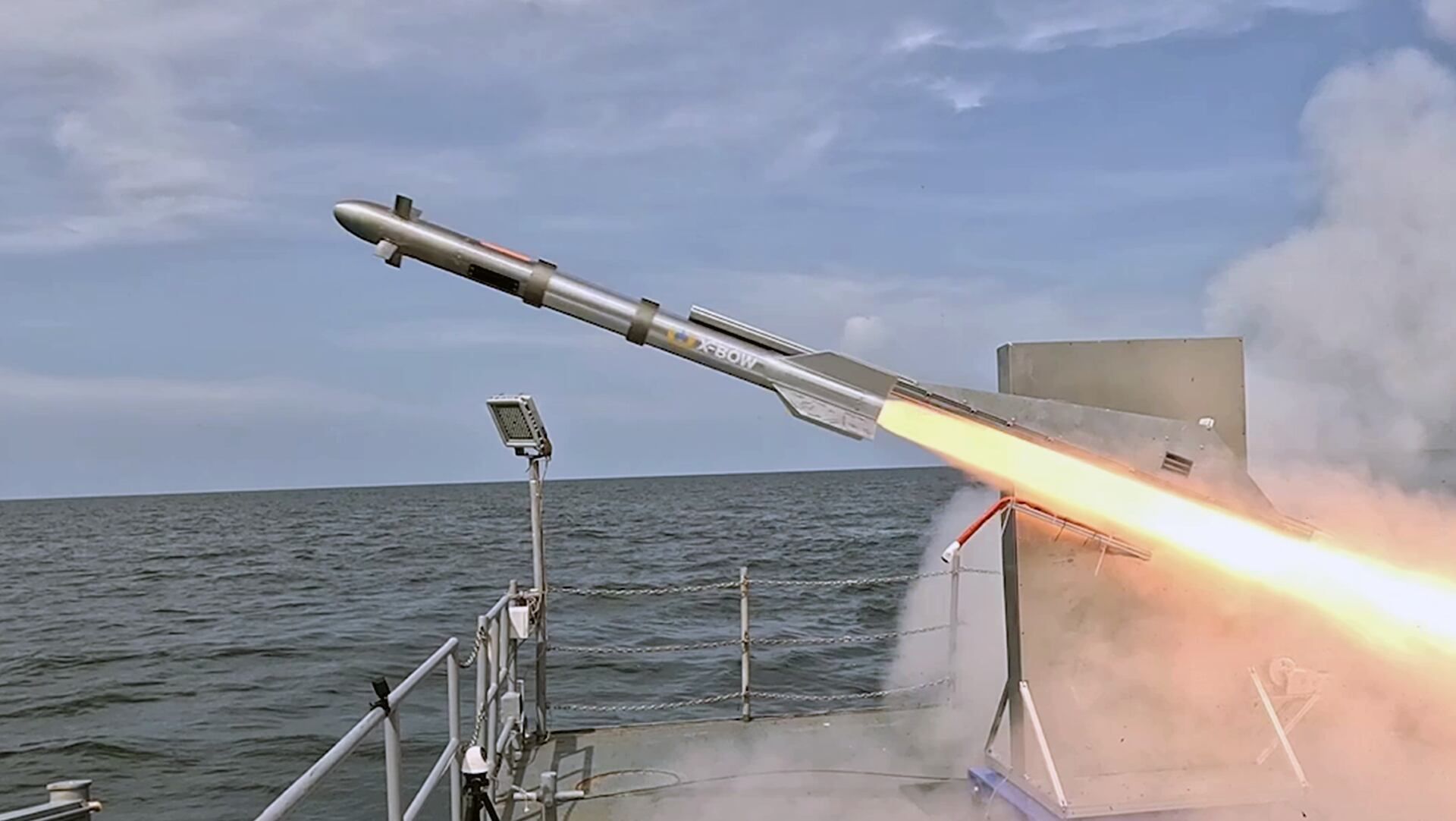
The X-Bow Low-Cost Interceptor (LCI) is a missile-defense interceptor under development by X-Bow for the U.S. Missile Defense Agency (MDA). The program is intended to provide a lower-cost means of kinetically intercepting advanced missile threats, including ballistic, hypersonic, and cruise missiles.
Affordability is a central requirement of the MDA initiative. The agency's solicitation set a target unit cost below $750,000, accepting some reduction in performance in exchange for substantially lower interceptor cost.
In July 2026, MDA awarded X-Bow a two-year, $10.9 million contract under the Rapid Response Small Launcher Technology program, advancing the company's interceptor into phase 2 of the LCI initiative. X-Bow is expected to build and flight-test a prototype, with a demonstration planned for late 2027.
Development
The LCI initiative is intended to examine technologies and manufacturing approaches that can reduce the cost of high-speed missile interceptors. MDA Director Lt. Gen. Heath Collins stated that the agency is examining propulsion and other expensive interceptor components for opportunities to reduce overall unit cost.
X-Bow's phase 2 contract is focused on developing the interceptor and its propulsion system, validating performance and cost effectiveness, and conducting a flight test. According to DefenseScoop, the company is then expected to provide four to ten additional systems that MDA can use for intercept testing.
The approximately $11 million award was also reported by Tectonic Defense. X-Bow has described the interceptor as compatible with established U.S. military defense architectures and optimized for cost-effective interceptor missions across multiple operational environments.
Design
Public technical information about the LCI remains limited because the interceptor is still in development. The available program information identifies a solid rocket motor as a central element of the design.
Propulsion and manufacturing
X-Bow plans to power the LCI with a solid rocket motor developed and manufactured by the company. X-Bow produces solid rocket motors and has stated that using its own propulsion technology is intended to reduce both interceptor cost and dependence on constrained motor supply chains.
The company uses vertically integrated manufacturing methods for its solid rocket motors, including additive manufacturing and internally developed propellant technology. The LCI program is intended to demonstrate whether these manufacturing methods can support a lower-cost interceptor while meeting the required mission performance.
Mission
The MDA solicitation seeks technologies that reduce the cost of kinetic interception against ballistic, hypersonic, and cruise missile threats. The LCI is therefore being developed as a high-speed defensive weapon rather than as an offensive strike missile.
The available sources do not disclose the interceptor's dimensions, mass, speed, range, guidance system, seeker, warhead configuration, launch method, or detailed engagement envelope.
Program status
As of August 2026, the X-Bow LCI remained in phase 2 development and had not entered operational service. The current phase calls for development and flight testing of a prototype, with the demonstration planned for late 2027.
After the prototype phase, X-Bow is expected to deliver between four and ten systems for MDA intercept tests. No production quantity, operational deployment date, or service-entry schedule has been publicly confirmed in the supplied sources.
Specifications (X-Bow Low-Cost Interceptor)
General characteristics
- Type: Missile-defense interceptor
- Developer: X-Bow
- Program authority: U.S. Missile Defense Agency
- Propulsion: X-Bow solid rocket motor
- Target unit cost: Less than $750,000
- Intended threat set: Ballistic, hypersonic, and cruise missiles
- Architecture compatibility: Designed for compatibility with established U.S. military defense architectures
- Development status: Phase 2 prototype development and flight-test program
- Planned prototype demonstration: Late 2027
 Argentina
 Armenia
 Australia
 Austria
 Austria-Hungary
 Belgium
 Brazil
 United Kingdom
 Brunei
 Bulgaria
 Canada
 Chile
Chile China
China Colonial America
 Colombia
 Confederate States
 Croatia
 Czech
Czech Denmark
 Egypt
Egypt Finland
 France
 Georgia
 Germany
 German Imperial
 Greece
 Holland
 Hungary
 India
India Indonesia
 Iran
Iran Iraq
Iraq Ireland
 Israel
 Italy
Italy Japan
Japan Japan (1940)
 Jordan
 Kingdom of Italy
 Malaysia
 Mexico
 Myanmar
 Nazi Germany
 Netherlands
 New Zealand
 North Korea
 Norway
 Pakistan
 Peru
Peru Philippines
 Poland
 Portugal
 Prussia
 Romania
 Russia
 Saudi Arabia
 Serbia
 Singapore
 Slovakia
 Slovenia
 South Africa
 South Korea
 Soviet Union
 Spain
Spain Sweden
 Switzerland
 Syria
Syria Taiwan
 Thailand
 Turkey
 UAE
UAE Ukraine
 Vietnam
 Yugoslavia